Serviced apartment or hotel for a long business trip? Compare costs, space, services and privacy to help you make the right choice.
Table of Contents
Serviced apartment or hotel: the question behind every long business trip
When a business trip lasts more than a few days, the question of serviced apartment versus hotel becomes pressing. For short trips, a hotel is almost the default choice. But when your stay is measured in weeks or months, the two options differ greatly in cost, space and experience.
This article compares the two options against the criteria that matter most to professionals and expat families: total cost, living space, included services, privacy and suitability for work. The goal is to help you decide based on real needs rather than habit.
Note that there is no absolute answer. Each option delivers value in different circumstances, and the right choice usually depends on the length of your stay, the purpose of your trip and your family situation.
Cost: look at the total, not the nightly rate
When comparing a serviced apartment and a hotel, cost is the first criterion to assess properly. Hotel nightly rates are usually higher for the same period, but what matters is the total cost of the whole trip.
For business trips of a month or longer, serviced apartments usually offer significantly better monthly rates than booking a hotel for the same period. Exact prices depend on location, size and service level, so confirm directly with each provider.
Beyond the room rate, factor in other costs: meals, laundry and transport. In a hotel, many charges are added separately per service. In a serviced apartment with a kitchen, you can cook at home and significantly cut food costs on a long trip.
For businesses managing budgets for many employees, the difference is even clearer. Booking a block of apartments for a project team is usually far more cost-effective than booking individual hotel rooms, while keeping quality standards consistent.
Living space and amenities for long stays
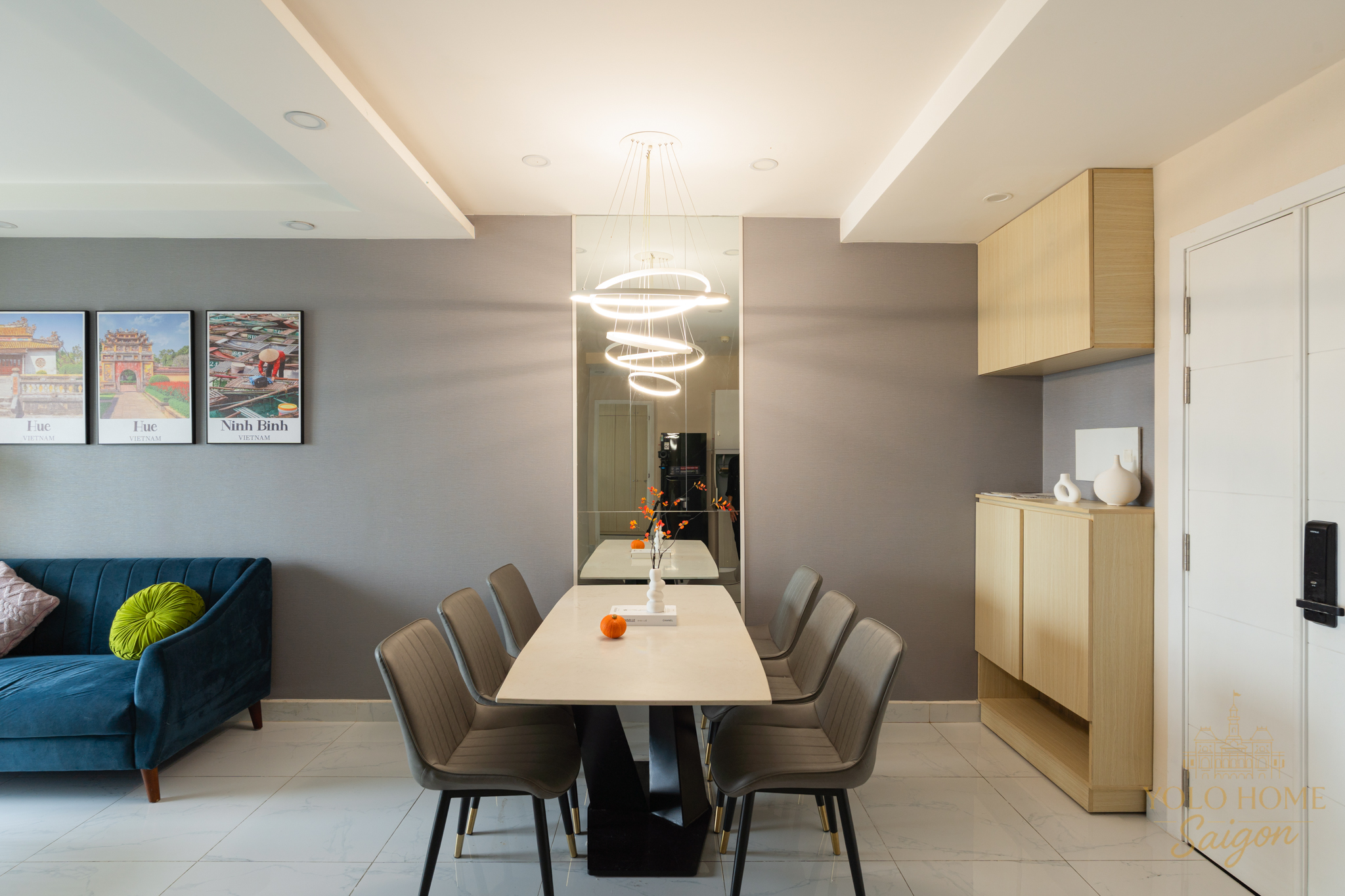
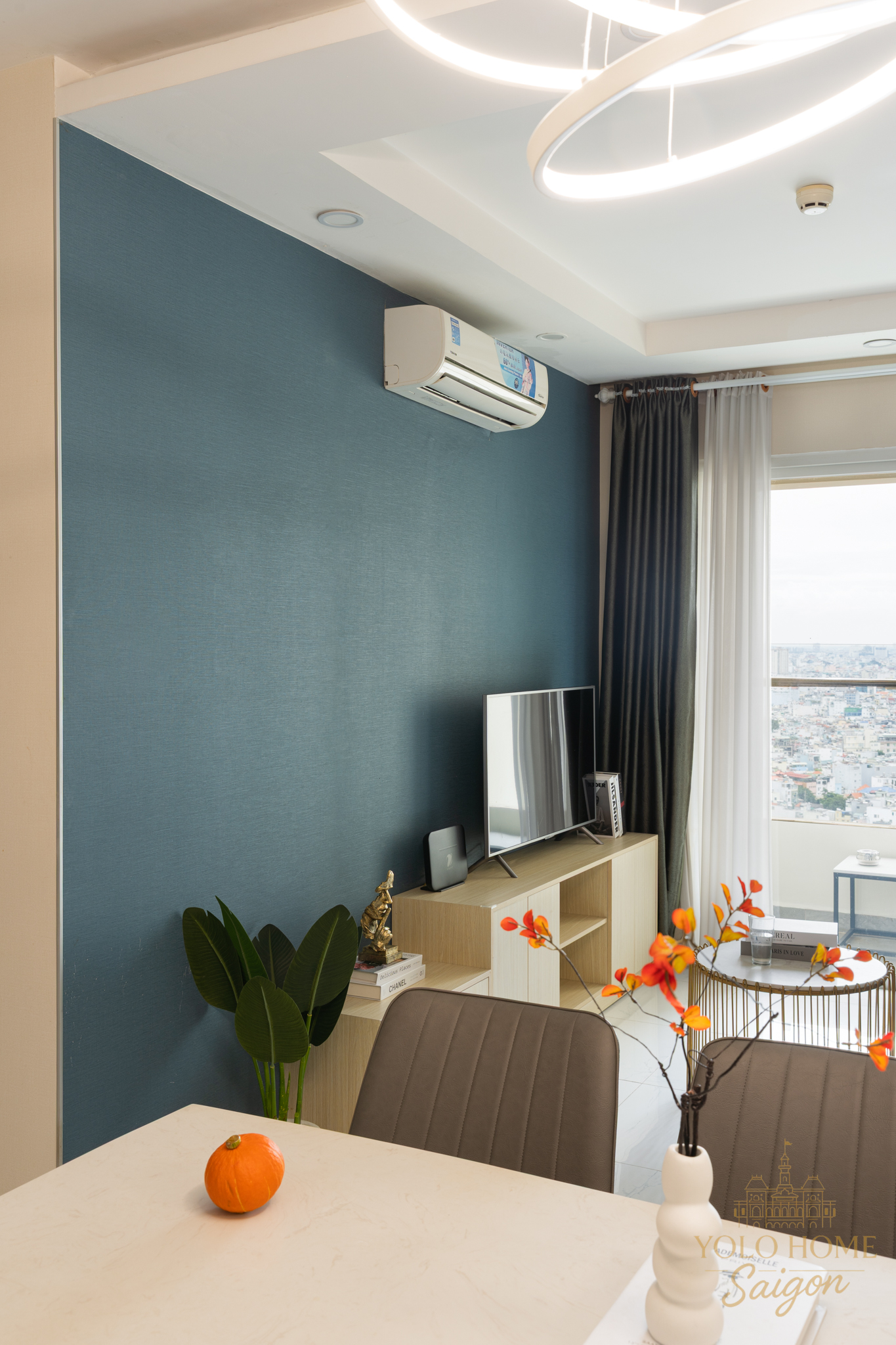
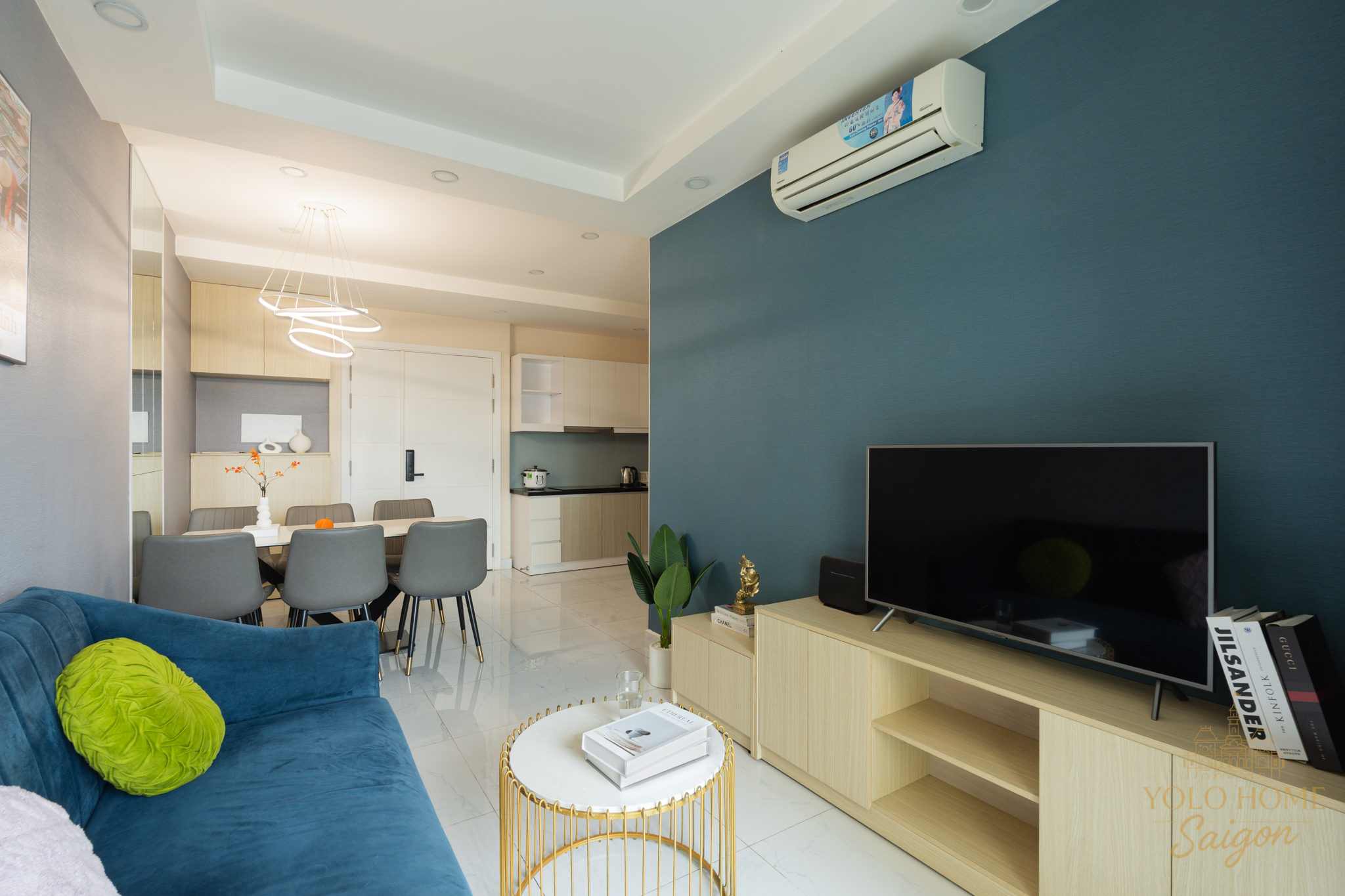
Space is the most obvious difference between a serviced apartment and a hotel. A standard hotel room usually has just a bed, a small desk and a bathroom. A serviced apartment has a living room, kitchen, dining area and often several bedrooms, creating a home-like feel.
For people who often work from where they stay, an apartment with a dedicated workspace is a big advantage. You can welcome colleagues in the living room and hold small meetings without the cramped feeling of a hotel room.
A full kitchen is another important plus. Cooking familiar food makes a long trip less tiring, especially for families with young children. An in-unit washing machine also lets you manage laundry yourself instead of relying on hotel laundry service.
If you want to see apartment layouts with suitable space, the Luva Travel apartments and villas portfolio includes a range of sizes, from 75-square-meter two-bedroom, two-bathroom apartments to smaller units suited to individuals.
Included services and privacy
Hotels have the advantage of all-inclusive services: restaurants, gym, swimming pool, daily housekeeping and a round-the-clock front desk. However, high-quality serviced apartments now also offer most of these services, along with much more space.
A serviced apartment run to hotel standards has housekeeping on a fixed schedule, maintenance that resolves issues quickly and a concierge for personal needs. Luva Travel runs a 24/7 bilingual concierge team, ready to support residents at any time with a commitment to fast response.
When it comes to privacy, serviced apartments are clearly superior. You have a fully private space, undisturbed by room service or corridor noise. This is especially important for people who need to focus on work or families who want a private living space.
When comparing, ask exactly which services are included in the price: housekeeping frequency, how issues are handled and shared facilities. Details of these services are available on the Luva Travel services page.
Who a serviced apartment or a hotel suits best
For short business trips of 2 to 3 nights, a hotel is the sensible choice: no commitment, fast service and ideal for people constantly on the move. Serviced apartments start to deliver value from about one week, and are most cost-effective for stays of one to six months.
Professionals traveling alone often accept a hotel for short periods. But as a stay grows longer, an apartment’s living space helps them keep a healthier routine: cooking for themselves, exercising and resting properly.
Expat families almost always lean toward serviced apartments because of their need for space and cooking facilities. Families with young children especially need separate bedrooms, a kitchen and a shared living area, which a hotel room cannot provide.
Businesses with project teams should consider serviced apartments to optimize budgets and maintain consistent standards. You can learn more about this model in our article on corporate housing for project teams.
Important things to consider when deciding
Before choosing between a serviced apartment and a hotel, answer three questions: how long will you stay, what amenities do you need for work, and does your accompanying family have specific needs? The answers will shape most of your decision.
On the legal side, read the serviced apartment lease carefully: minimum term, cancellation policy, utility costs and deposits. For foreign guests, reputable providers help with temporary residence registration as required by law, giving you peace of mind throughout your stay.
A practical tip is to inspect before deciding. If possible, view the apartment in person and check noise levels, internet and amenities. For a hotel, you can book a trial night to assess quality before committing to a longer stay.
Finally, consider long-stay offers. Some providers have special policies for guests staying several weeks or months; you can find more on the Luva Travel promotions page.
Real-world experience from professionals choosing where to stay
Many professionals working in Ho Chi Minh City say they usually start with a hotel for the first few days, then move to a serviced apartment once they know they will stay longer. This gives them a good temporary base and time to find the right apartment.
Another common lesson is to prioritize a location close to work, whichever option you choose. The commuting time saved each day adds up to a big benefit over a long business trip, and it is often the first factor people mention.
Seasoned business travelers usually have their own standards for accommodation: stable internet, a quiet area, a quality bed and responsive service. Comparing the two options against these standards makes the decision more objective.
If you are planning a long business trip to Ho Chi Minh City and need further advice, the Luva Travel team is ready to help via our contact page. Choosing the right place to stay makes your trip much more productive and comfortable.
How your accommodation affects work productivity
Your accommodation is not just a place to rest; it directly affects your productivity on a long business trip. A stable workspace with fast internet, a comfortable desk and quiet surroundings helps you focus much better.
Serviced apartments usually provide a dedicated workspace with a proper desk and chair, while a standard hotel room has only a small desk. For people who need to host online meetings, the apartment’s living room is also an ideal place to talk with colleagues and partners.
Sleep quality also has a big impact on performance. A quiet apartment with a separate bedroom helps you sleep more deeply than a hotel room near a corridor or elevator. Good sleep is the foundation for everything you do during the day.
Finally, cooking in the apartment helps you maintain a balanced diet instead of relying on hotel restaurant menus. Staying healthy throughout a long trip helps sustain your productivity.
Daily services when staying in a serviced apartment
In a serviced apartment, many daily services are built in to make life convenient. Scheduled housekeeping, linen changes, restocking supplies and fixing issues are things you do not need to handle yourself, freeing up time for work.
The operator’s concierge supports needs beyond the apartment: restaurant reservations, car bookings, laundry drop-off and other personal services. For foreign guests, a bilingual team makes situations that require Vietnamese much easier to handle.
Operationally, a professional serviced apartment has a maintenance team that quickly fixes issues such as broken air conditioning, water leaks or electrical faults. Fast response times keep your daily routine from being disrupted for long.
When comparing options, include daily services in your evaluation criteria. Details of the services included with the apartments are available on the 24/7 concierge for international professionals page.
Living experience: hotel convenience versus apartment comfort
Hotels offer instant convenience: every service is within reach, from dining and laundry to front desk support. For people who want speed and do not want to worry about any details, a hotel is the right choice.
Serviced apartments, on the other hand, feel as cozy as home. You can keep your usual routine, cook what you like, invite friends over and enjoy your private space. On a long stay, this familiarity helps ease the fatigue of being away from home.
A subtle difference is your relationship with the operating team. In a serviced apartment, you often build a long-term relationship with the concierge and housekeeping staff, who know your habits well. In a hotel, interactions are usually brief and less personal.
People who have tried both options often say that a sense of belonging makes a long business trip less stressful. It is a hard-to-measure emotional factor, but it clearly affects quality of life over many months.
Frequently asked questions about serviced apartments vs hotels
Is a serviced apartment or a hotel cheaper for a long business trip? For stays of one month or more, a serviced apartment is usually more cost-effective thanks to monthly rates and lower food costs with a kitchen. Exact prices should be confirmed directly.
When should you choose a hotel? When your trip is under a week or you need full-service amenities without needing living space. Hotels suit short business trips and people constantly on the move.
Are serviced apartments suitable for families? Very much so, with a kitchen, separate bedrooms and a shared living area. Many expat families choose serviced apartments to balance work and childcare.
What does the cost of a serviced apartment include? It usually includes furnishings, scheduled housekeeping and maintenance. Utilities, internet and concierge services depend on each apartment’s policy and should be clearly listed in the contract.
What is the minimum rental period? It depends on the provider, usually one week to one month. Luva Travel offers flexible weekly or monthly terms to match your work schedule.
Can I switch from a hotel to an apartment midway? Absolutely. Many people start with a hotel for a few days and then move to an apartment once they know they will stay longer, allowing them to look around carefully before committing.
Information, prices and availability in this article may change. Please confirm directly with Luva Travel before booking.