Learn about corporate housing in Ho Chi Minh City: short-term accommodation for project teams and rotating staff, and how companies can roll it out.
Table of contents
What is corporate housing in HCMC and why companies need it
Corporate housing in Ho Chi Minh City is a model that provides short- and mid-term accommodation for company staff, especially project teams working on rotation in the city. Unlike booking hotels by the night, this model focuses on longer stays at an optimized cost for the company.
Companies need this model when staff are on assignment for several months, when project teams arrive in phases, or when consultants stay for extended periods. Instead of handling each request separately, the company has a single solution with controlled quality standards.
Luva Travel provides corporate housing and events services for businesses, including short-term accommodation for project teams, conference support and corporate event planning. This model lets companies focus on their business instead of worrying about accommodation logistics.
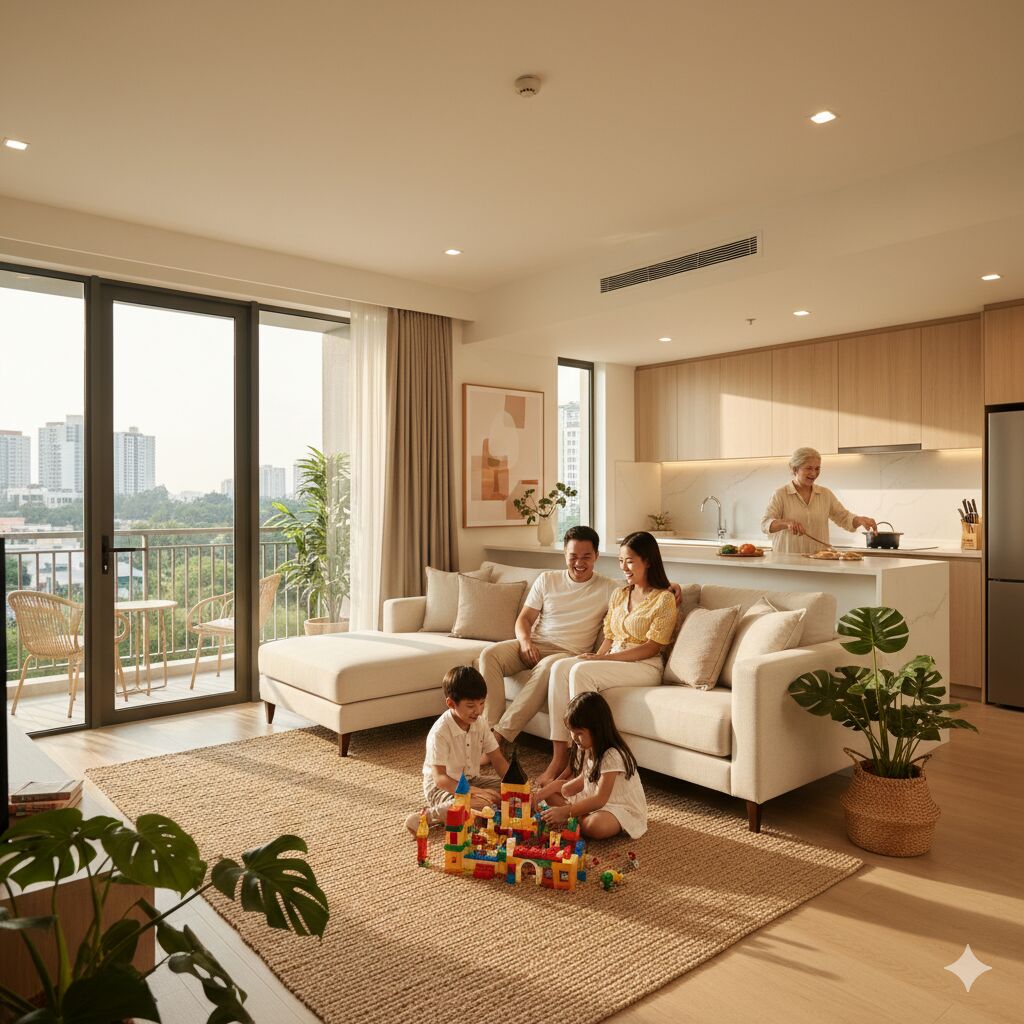
Benefits of corporate housing for businesses
The first benefit of corporate housing in Ho Chi Minh City is effective cost control. Instead of paying hotel rates by the night, the company books by the month at an all-in price that includes furniture and operating services. For stays of one month or longer, this model is usually significantly more cost-effective.
The second benefit is consistent quality. Apartments are run to hotel standards with housekeeping, maintenance and butler services, ensuring every employee has a reliable experience no matter which rotation they arrive in. This reduces the risk of staff finding their own lodgings with uncontrolled quality.
The third benefit is time saved on management. A single point of contact for all housing needs means HR does not have to handle each request individually. Consolidated invoicing, clear procedures and standardized processes make business operations smoother.
Finally, this model improves the employee experience. Quality accommodation from day one helps rotating staff focus on their work, shortens adjustment time and increases productivity throughout their assignment in Ho Chi Minh City.
Common corporate housing use cases
Corporate housing in Ho Chi Minh City is used in many different situations. The most common is staff on assignments of three months to a year who need a stable place to live but do not want to commit to a long-term lease.
The second situation is project teams arriving in phases. Construction, consulting or software implementation projects often need a group of specialists staying in the city for weeks or months, with accommodation that flexes with the project timeline.
The third situation is consultants working on a fly-in fly-out basis. These people travel frequently between cities and need a familiar, fully serviced home each time they return, rather than finding a new place on every trip.
The final situation is corporate events: seminars, conferences or multi-day training programs with many guests. Booking a group of apartments near the event venue saves costs and adds convenience for attendees.

Contract structure and costs for businesses
Corporate housing contracts in Ho Chi Minh City are usually designed flexibly around business needs: monthly, quarterly or per project. Pricing depends on the number of apartments, the booking period and the service level, so each agreement should be confirmed directly with the operator.
Costs should be itemized: rent, utilities, internet, regular cleaning and add-on services such as concierge. Companies need complete invoices for accounting and auditing, so ask for a clear invoicing process from the start.
An important clause to watch is the policy on changing headcount. When a project team grows or shrinks, the company needs to know the process for adding or removing apartments, the notice period and the applicable conditions. This flexibility helps the company avoid wasted costs.
Finally, agree on a handover process for each employee: who the contact person is, the check-in procedure and how incidents are handled. A clear process gives every project team member a consistent experience from day one.
Corporate housing vs hotels for project teams
When choosing accommodation for project teams, companies often weigh hotels against corporate housing. Each model has its own strengths, and the choice depends on the length and scale of the project.
Hotels suit short trips of a few days: no commitment and all-inclusive service, but high nightly rates and limited space. Corporate housing delivers value from about one month onward, with more space, more cost-effective monthly pricing and a comfortable, home-like environment.
For project teams working long stints, corporate housing also better supports work needs: a desk, stable internet, a kitchen for self-catering and space to host colleagues. These are hard to find in a standard hotel room.
If you want a more detailed comparison of accommodation models, our article on serviced apartments vs hotels for long business trips offers a useful perspective for both individuals and companies when making a decision.
How to roll out corporate housing effectively
An effective rollout starts with clearly defining your needs: headcount, expected length of stay, budget and desired quality standards. These parameters help the operator propose a suitable plan instead of a generic solution.
Next, choose a partner with a suitable apartment portfolio and transparent operations. Luva Travel offers corporate housing solutions with a portfolio of apartments in central areas, combined with concierge service and corporate event support.
A key factor is building internal processes: who approves bookings, who is the point of contact with the operator, and how special staff requests are handled. Internal clarity reduces delays during rollout.
Finally, collect staff feedback after each stay. These reviews help the company refine its housing policy and choose better partners for future projects, creating a continuous improvement loop.
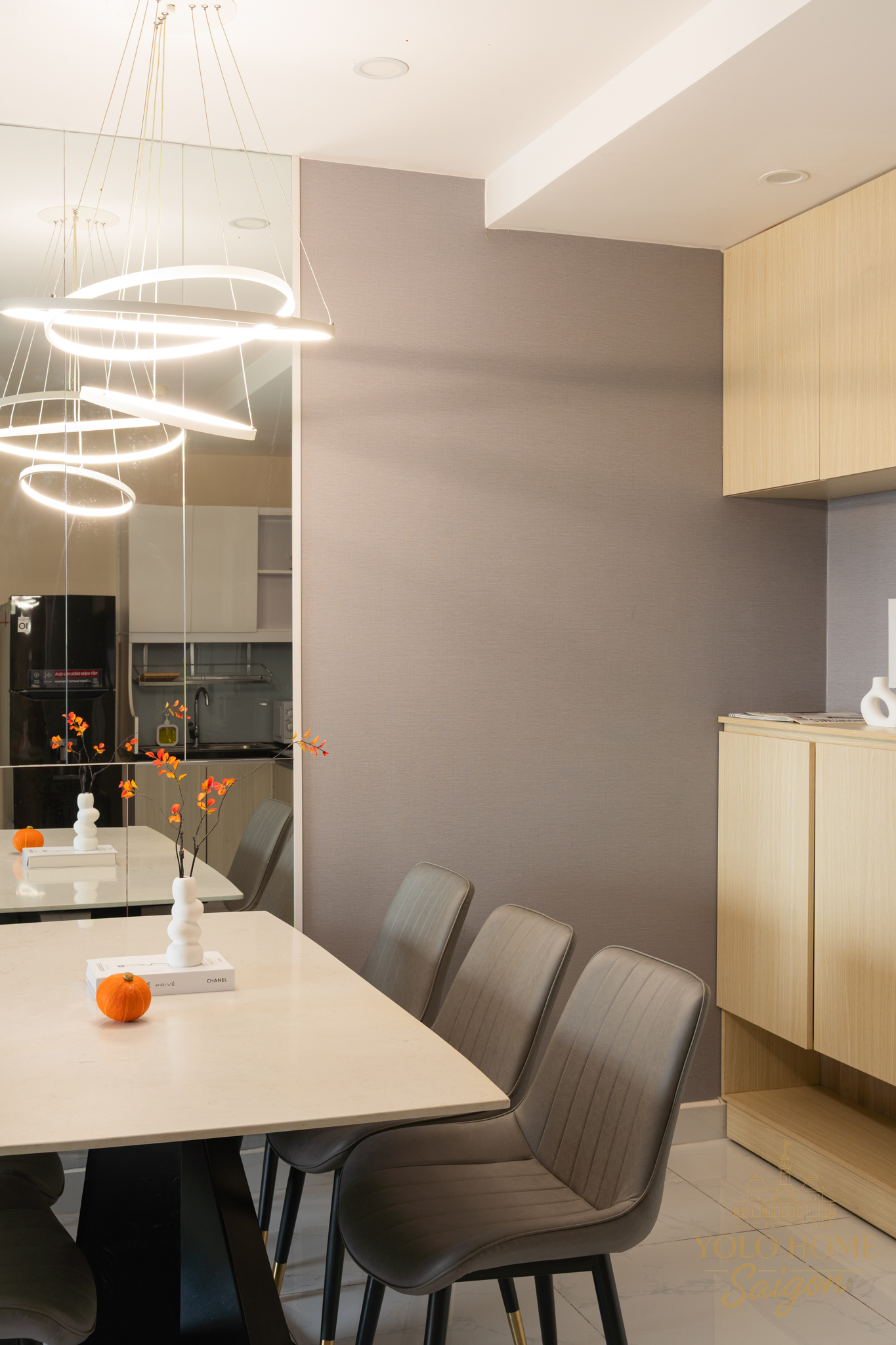
Tips for choosing a corporate housing operator
Choosing a corporate housing operator in Ho Chi Minh City should be treated as a strategic decision, not just a price comparison. Evaluate four factors: portfolio quality, operating processes, support services and contract flexibility.
For the portfolio, view the proposed apartments in person and assess location, size, furnishings and amenities. For operations, learn about the cleaning, maintenance and incident handling processes and the committed response times.
For support services, a bilingual team ready to handle the needs of international staff is a major advantage. For contracts, flexibility to adjust the number of apartments according to project progress helps companies avoid wasted costs.
You can learn more about this model on the Luva Travel corporate housing solutions page or contact us directly for advice tailored to your company’s size and budget.
Welcoming staff to corporate housing
A good welcome process helps new staff get up to speed quickly in Ho Chi Minh City. Before arrival, send apartment information, directions from the airport and the operations team’s contact details. This preparation significantly reduces first-day stress.
When staff check in, the handover should be quick and friendly: introduce the apartment’s amenities, explain how to use the appliances and provide a list of services they can request. A short orientation helps staff feel confident as they settle in.
During the first week, the concierge team should reach out proactively to confirm everything is fine and answer any questions. These interactions build trust and help spot issues early before they become serious.
Finally, give staff practical information about the surrounding area: supermarkets, pharmacies, gyms and recommended restaurants. These small details help international staff feel cared for and settle into their new life quickly.
How corporate housing affects employee experience and retention
Housing quality is one of the strongest influences on employee experience during an assignment. Good accommodation helps employees focus on their work, while substandard housing can create a negative start to the entire assignment.
When companies invest in quality accommodation, employees feel the company’s care and commitment. This helps build loyalty and reduces mid-assignment attrition, a costly problem in international mobility programs.
A professional housing process also helps companies maintain a strong image among potential hires. When recruiting international professionals, the housing policy is often one of the points candidates scrutinize before accepting a role.
For these reasons, corporate housing in Ho Chi Minh City should be seen as an investment in people, not just an operating expense. This investment delivers lasting benefits for both the company and its team.
A concrete example is a company running a six-month project in Ho Chi Minh City. With monthly bookings, the company keeps control of its budget, flexibly adjusts the number of apartments at each phase and ensures every project team member has quality accommodation from their very first day.
Combining corporate housing with corporate events
A trend many companies are adopting is combining project team housing with corporate events in the same area. This approach optimizes costs and adds convenience for attendees.
For multi-day conferences, placing accommodation near the event venue saves guests travel time and makes it easy to join evening networking sessions. Booking housing and venue as a package also helps companies negotiate better terms.
Luva Travel supports companies in both areas: short-term housing for project teams and support for organizing conferences and events. The operations team coordinates closely to ensure all logistics are prepared in sync, from accommodation to venue.
For internal training programs, this combined solution also strengthens bonds among participants. Staying in the same area, trainees have chances to connect outside class hours, creating a more effective learning and working environment than being scattered across different hotels.
Frequently asked questions about corporate housing in HCMC
How is corporate housing different from a regular apartment rental? Corporate housing is designed for business needs: flexible project-based contracts, consolidated invoicing and consistent service standards, whereas regular apartment rentals target long-term individual needs.
What is the minimum booking period? It depends on the operator and agreement, usually from one month. For long-term projects, companies can negotiate better terms based on booking volume.
What does the price include? Usually rent, furniture, regular cleaning and maintenance. Utilities, internet and concierge service depend on the agreement and should be clearly listed in the contract.
Can companies adjust the number of apartments mid-contract? It depends on the contract terms. Many operators allow adjustments according to project progress with advance notice, giving companies budget flexibility.
Is corporate event support available? Yes, Luva Travel provides conference and corporate event support alongside housing for project teams.
Do international staff get help with paperwork? The bilingual Luva Travel team supports residents with procedures such as temporary residence registration and other administrative needs.
Information, prices and availability in this article may change. Please confirm directly with Luva Travel before booking.