Local food is the biggest draw for visitors to Ho Chi Minh City. Discover signature dishes, famous spots and tips for eating like a local.
Table of Contents
Ho Chi Minh City local food: why Saigon is a food paradise
Ho Chi Minh City local food refers to Saigon’s distinctive street food scene: dishes sold on sidewalks, in traditional markets and in small alleys, closely tied to everyday city life. It is one of the things international visitors remember most about Vietnam.
What makes Ho Chi Minh City local food special is its diversity and cultural mix. From the delicate beef pho brought from the North and banh mi with its French influence to com tam (broken rice), hu tieu (clear noodle soup) and banh xeo (sizzling pancakes) of the South, everything blends into one of the richest food scenes in Southeast Asia.
Saigon street food is also about how you enjoy it. You sit on low plastic stools by the roadside, sharing a table with locals amid the hum of traffic. This simple, friendly atmosphere makes the food taste even better and is an experience hard to find in upscale restaurants.
This article is your Ho Chi Minh City local food guide: dishes you cannot miss, famous places to find them, how to order like a local and small tips to enjoy Saigon cuisine to the fullest.
Saigon is not only about familiar dishes but also snacks, drinks and desserts that appear with the seasons. Each season brings its own specialties, giving you a reason to come back again and again with something new to discover.
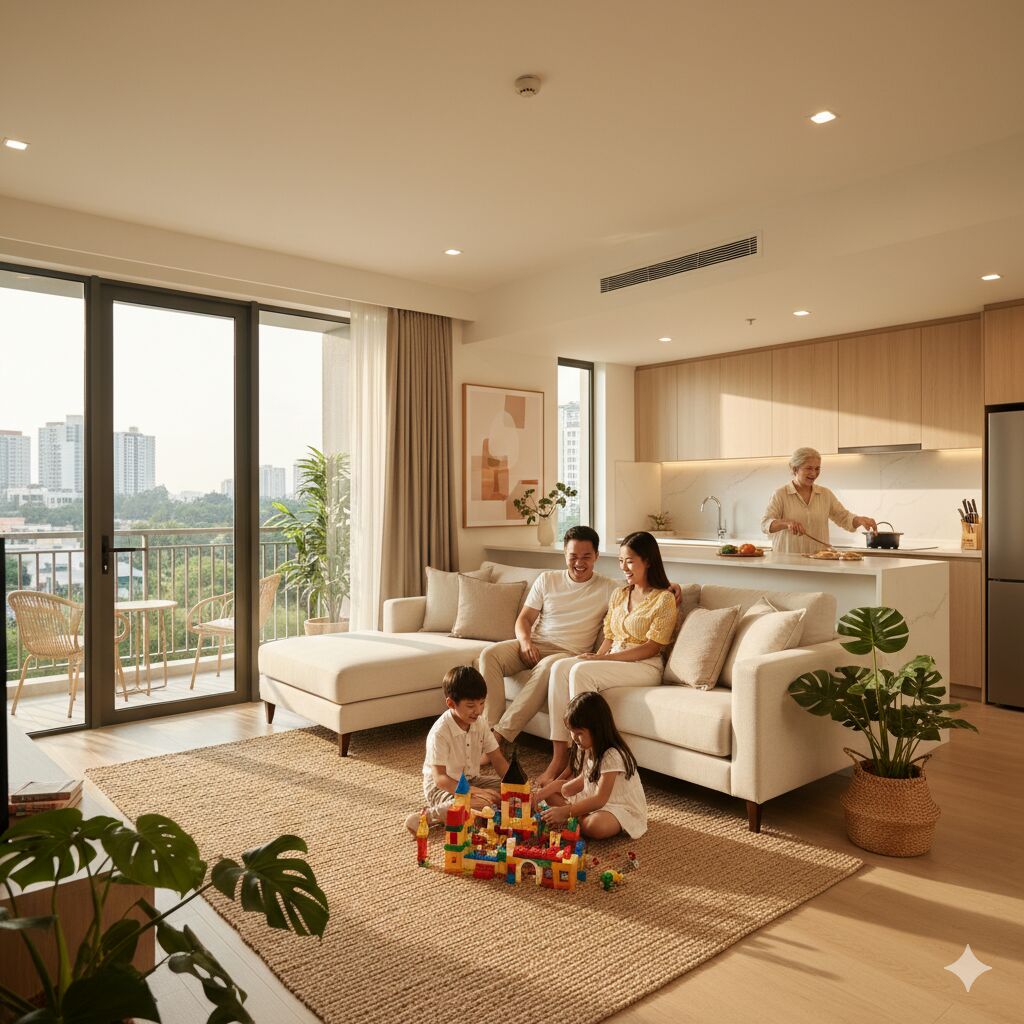
Ho Chi Minh City local food you cannot miss
First on the list is pho, Vietnam’s iconic dish. In Saigon, pho has its own character with a rich broth, soft rice noodles and many cuts of meat to choose from. A steaming bowl of pho in the morning is a wonderful way to start the day, whether at an upscale restaurant or a sidewalk stall.
Next is banh mi, the world-famous street food. A crispy Saigon baguette is generously filled with meat, cha (Vietnamese sausage), pate, pickled vegetables and fresh herbs. Every shop has its own recipe, and finding your favorite banh mi spot is a fun game for any food lover visiting Saigon.
You cannot skip com tam, the dish most closely tied to Saigon locals. A plate of com tam with fragrant grilled pork chop, shredded pork skin, steamed egg meatloaf, scallion oil and sweet and sour fish sauce is the go-to lunch for millions of city residents. You can find com tam everywhere, from tiny alley eateries to upscale restaurants.
Finally, do not forget to try banh xeo, hu tieu, bun bo (spicy beef noodle soup) and che (sweet soup) desserts. Each dish has its own story and flavor. For newcomers, a useful tip is to eat smaller portions so you can taste as many dishes as possible in a day, true to the spirit of street food.
Beyond the main dishes, do not miss the signature drinks. Ca phe sua da (iced milk coffee) is synonymous with Saigon, combining the gentle bitterness of coffee with the rich sweetness of condensed milk. Sugarcane juice, coconut water, fresh milk with tapioca pearls and iced tea are also popular choices, especially on hot days.
For those with a sweet tooth, Saigon offers every kind of che from traditional to modern: che ba mau (three-color sweet soup), sam bo luong (herbal sweet soup), che thot not (palm sugar sweet soup) and che khuc bach (almond panna cotta jelly). Each che shop has its own secret for cooking and combining ingredients, creating delightful experiences for diners.
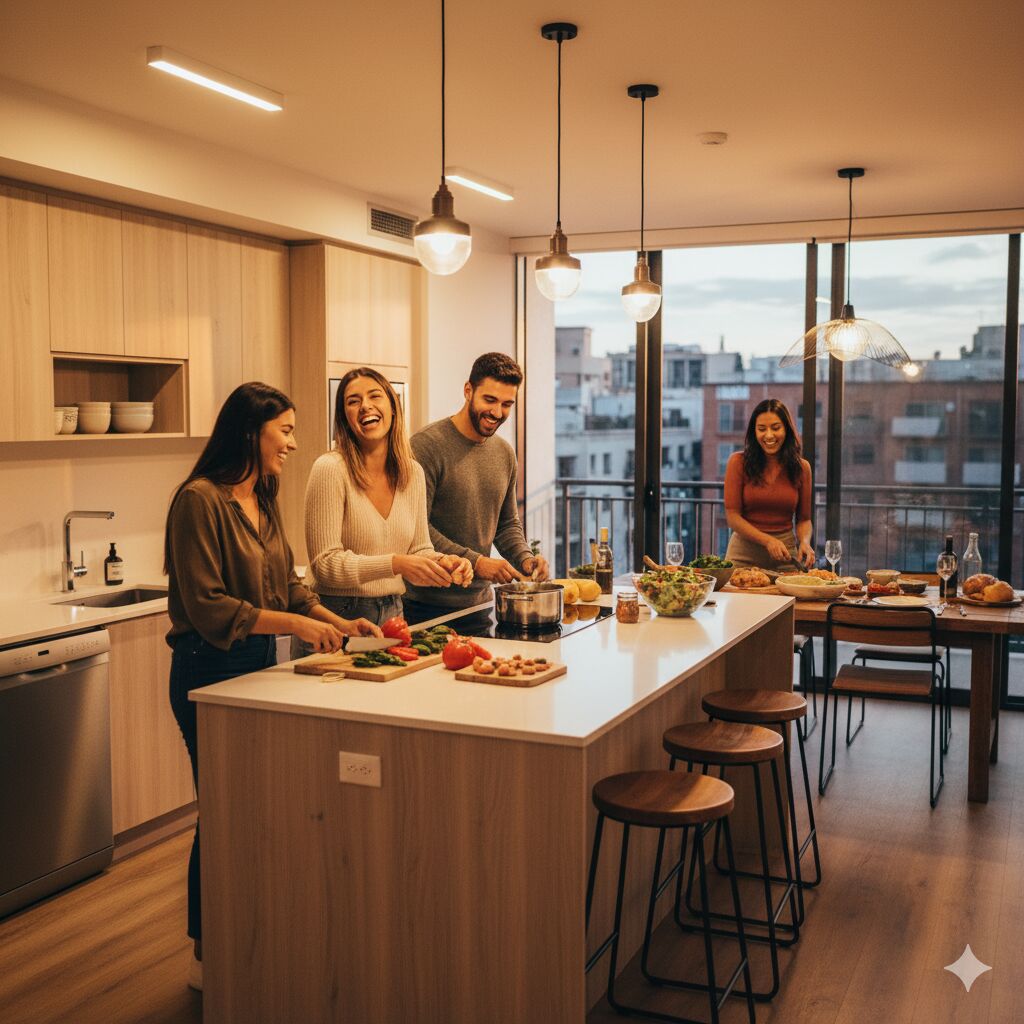
Where to find Ho Chi Minh City local food: markets, alleys and neighborhoods
Traditional markets are where you will find the most Ho Chi Minh City local food. Ben Thanh Market in central District 1 is famous among visitors, but other markets such as Ba Chieu and Tan Dinh offer a more authentic local atmosphere with breakfast stalls, rice paper snacks and seasonal fruit.
Alleys also hide surprisingly good eateries. Saigon locals often open eateries right in front of their homes, so a small alley can have a dozen different food spots serving from morning until late at night. Exploring alleys is a great way to find unique family recipes.
Food streets are also worth considering. Some streets are famous for late-night eateries serving everything from seafood and hot pot to snacks. District 3, District 5 and District 10 all have food streets well known to city residents.
For guests staying in serviced apartments, a useful tip is to ask the concierge about eateries near your home. The local team knows which places residents love, which stay open late and which suit families with children. This information saves you a lot of searching time.
Besides markets and alleys, many night markets and walking streets have become weekend food hotspots. Here you can stroll while sampling a wide variety of snacks in a cheerful atmosphere. These areas are usually crowded on weekend evenings, creating a lively and memorable food experience.
For those who love cooking, traditional markets are also ideal for buying fresh ingredients and discovering the signature spices of Vietnamese cuisine. Many professionals on long stays enjoy cooking at their apartment, saving money while eating meals to their own taste.
How to order and enjoy Ho Chi Minh City local food like a local
The first secret to ordering in Saigon is knowing the side herbs and dipping sauces. Most dishes come with fresh herbs, bean sprouts and various dipping sauces. Start with a moderate amount to get used to the flavors, then adjust to your taste.
Next, learn how to ask for adjustments. If you do not eat spicy food, say so clearly when ordering. If you want it sweeter, more sour or with extra fried shallots, just ask. Vendors are usually happy to adjust to customers’ needs, and friendly communication will make your experience even better.
In terms of timing, each dish has its own golden hour. Pho and com tam are best in the morning, hu tieu is popular at lunch, while dishes such as banh trang tron (rice paper salad), che and seafood usually shine in the evening. Knowing this helps you enjoy each dish at the right time and at its best.
Another small tip is to watch how locals eat before trying it yourself. The way they dip in fish sauce, pick up herbs, squeeze lime and combine toppings all follows its own rules. Following these habits helps you appreciate the food properly and have a more authentic Ho Chi Minh City local food experience.
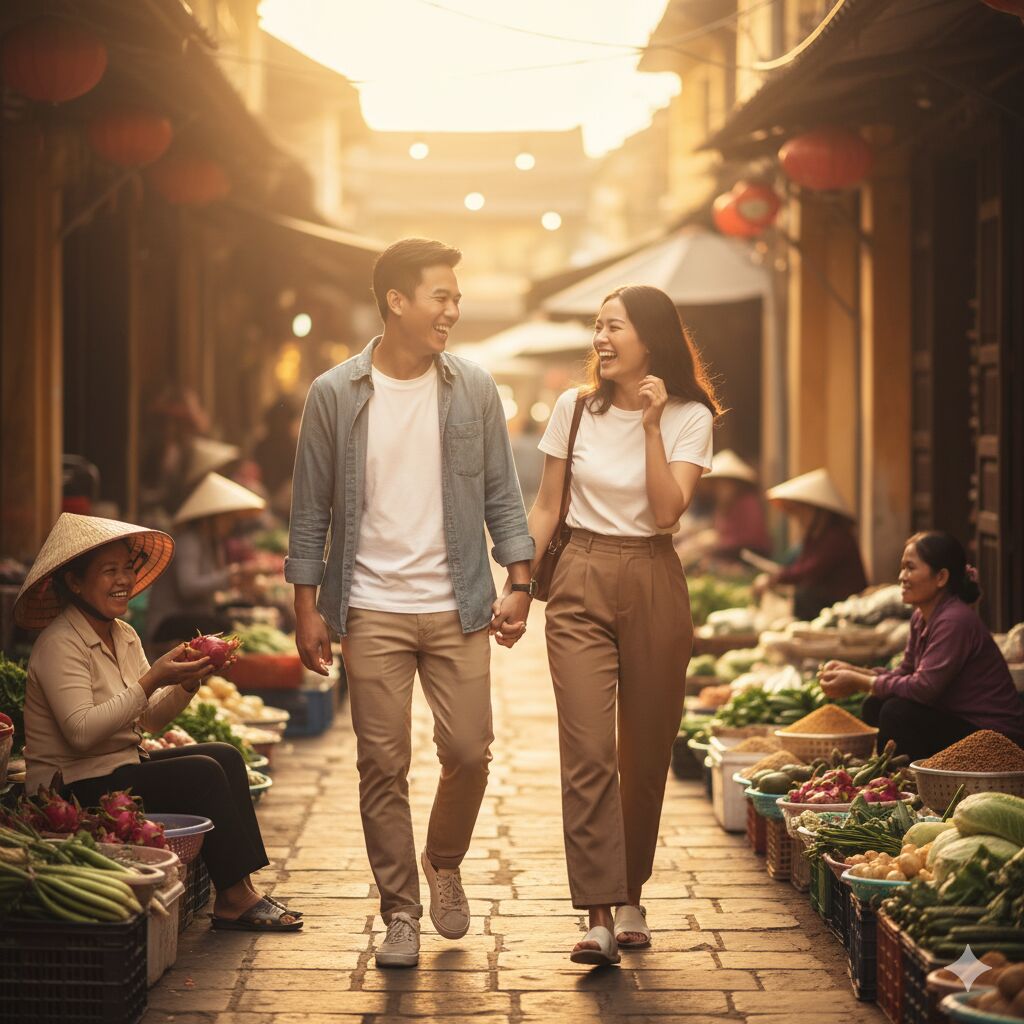
Food costs when exploring Ho Chi Minh City local food
One of the big advantages of Ho Chi Minh City local food is its reasonable cost. Street dishes are usually priced to suit everyone, from humble sidewalk stalls to restaurants specializing in traditional food. Actual costs depend on the type of eatery and the dishes you choose.
Compared with the overall cost of living in the city, eating at local eateries is usually much cheaper than at international restaurants. This matters especially for professionals on long stays, as monthly food costs become a significant part of the living budget.
For an overview of the cost of living in Ho Chi Minh City, you can check cost data from international sources such as Numbeo, which compiles information from users around the world. This helps you plan a sensible budget for your stay.
Note that costs can vary over time and by area. An eatery in the center may charge differently from one serving the same dish in the suburbs. Check the price board before ordering and do not hesitate to ask vendors about options that fit your budget.
For long-stay guests, a useful tip is to combine eating out with cooking at the apartment. All Luva Travel apartments have fully equipped kitchens, helping you balance costs and enjoy cozy family meals right at home.
Hygiene and safety tips for eating Ho Chi Minh City local food
Ho Chi Minh City local food is delicious, but hygiene still matters. Choose busy eateries, since high customer turnover usually means fresh food that moves quickly. Observing how a stall prepares and stores ingredients is also a simple way to judge quality.
A few habits help you avoid stomach upsets: drink only bottled or boiled water, order hot dishes rather than food that has been sitting out, and limit ice if you are not used to the local water. These small precautions let you enjoy the food without worrying about your health.
For new arrivals, start with thoroughly cooked dishes and avoid raw food if you have a sensitive stomach. If you have food allergies, learn how to explain them in Vietnamese or ask the concierge to write down a few common phrases to show vendors.
Finally, listen to your body. If you feel unwell after a meal, rest and drink plenty of water. For long-stay guests, the body gradually adapts to local food, and the Ho Chi Minh City local food experience becomes more and more enjoyable.
Discover Ho Chi Minh City local food with tips from the Luva Travel concierge
Guests staying at Luva Travel apartments have a special advantage: a local concierge team always ready to recommend the best Ho Chi Minh City local food spots. Instead of searching online and ending up at tourist traps, you get recommendations from real people who live in the city.
The concierge can help you plan a day of eating: pho for breakfast, com tam for lunch, an iced milk coffee in the afternoon and local specialties for dinner. We also note each guest’s tastes and preferences to make the most suitable recommendations.
If you want a deeper experience, check out our food tour service, where you will be guided through many local eateries on a complete culinary journey. Details are available on the Ho Chi Minh City food tour via concierge page.
To get food recommendations or book related services, contact us through the Luva Travel contact page. We are happy to accompany you on your journey to discover Saigon cuisine.

Frequently asked questions about Ho Chi Minh City local food
Is Ho Chi Minh City local food safe to eat? Generally yes, especially at busy eateries with fresh ingredients. Choose clean places, eat hot dishes and drink bottled water to stay safe.
Which dish should I try first? Pho for breakfast, banh mi for a quick bite and com tam for lunch are easy starting points that suit most tastes.
Is it easy for vegetarians to find food? Fairly easy at vegetarian eateries and traditional markets. State clearly that you are vegetarian when ordering and ask the concierge for recommendations.
Is local food expensive? Street food is usually reasonably priced. The total cost depends on the eatery you choose, so confirm prices directly when ordering.
Should I book a table at a sidewalk eatery? Usually not. Sidewalk eateries work on a first-come, first-served basis; just find a seat and order.
Does Luva Travel help with food exploration? Yes, our concierge recommends eateries and helps book food tours for staying guests. Contact us for advice.
Information on prices, procedures and availability may change. Please confirm directly with Luva Travel before booking.