An overview of the cost of living in Ho Chi Minh City in 2026 for foreign professionals: housing, food, transport and tips to optimize your budget.
Table of Contents
Cost of living in Ho Chi Minh City: the big picture for professionals
The cost of living in Ho Chi Minh City is always a top concern for foreign professionals before moving to Vietnam. Compared with many major Asian cities, spending here is considered mid-range, but the cost structure differs in many ways from developed countries, and newcomers need to understand it well.
This article analyzes the main cost categories, including housing, food, transport, education and healthcare, along with practical budget optimization tips. Rather than giving rigid figures that can quickly become outdated, we focus on the cost structure and how you can actively control each item.
Keep in mind that the cost of living in Ho Chi Minh City varies by time and specific area. Prices in central District 1 and District 3 differ from those in the suburbs. The right approach is therefore to build a personal budget based on your actual needs rather than relying on a single average figure. You can refer to cost of living data on Numbeo for Ho Chi Minh City for a comparative perspective.
Housing is the largest item in your budget
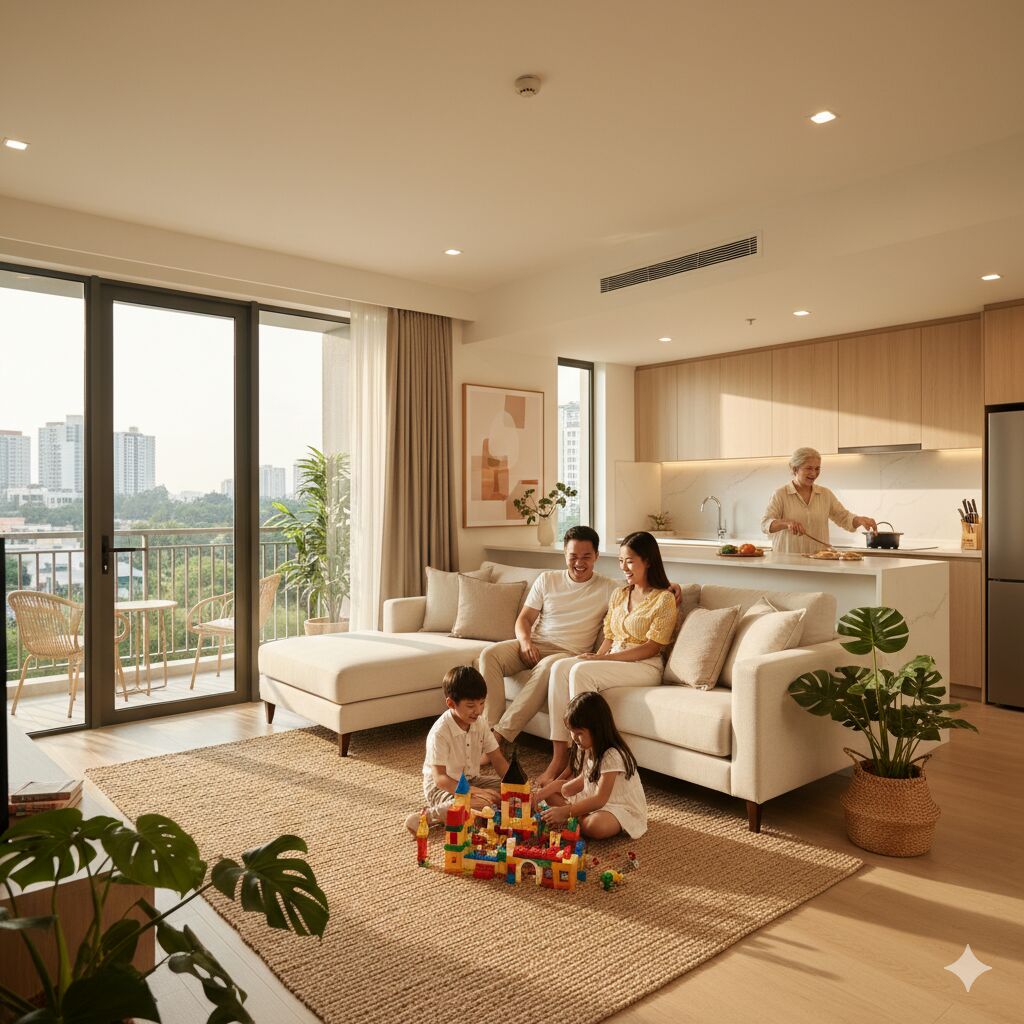
For most foreign professionals, housing makes up the largest share of the total cost of living in Ho Chi Minh City. This expense depends on location, size, furnishing level and included services, and there is no single price that applies to everyone.
The two common options are renting a private apartment and renting a serviced apartment. A private apartment usually has lower rent on paper, but you must furnish it yourself if needed, handle repairs and manage services on your own. A serviced apartment already includes full furnishing, cleaning and maintenance, so the all-in price reflects the full value you receive.
To judge whether a price is reasonable, ask for every item to be listed in the contract: rent, electricity and water, internet, cleaning and parking. The right comparison is the total expected cost of both options over the same stay, rather than comparing rent figures alone.
Central areas such as District 1 and District 3 are usually more expensive than other areas due to limited land and dense amenities. However, the transport savings from living near your workplace can offset this difference. If you are exploring options in this area, browse the Luva Travel apartments and villas portfolio to see the units currently available.
Daily food: cooking at home or eating out
Food is the most flexible expense. Cooking at home saves a lot, especially if your apartment has a full kitchen. Markets and supermarkets in Ho Chi Minh City stock plenty of vegetables, meat, fish and imported foods, although imported products cost significantly more than local ones.
Eating out is a hallmark of Ho Chi Minh City. There is everything from casual eateries to fine dining, with prices ranging widely by type. Restaurants in 5-star hotels and Western restaurants in the center are priced similarly to many international cities, while local cuisine always offers budget-friendly options.
For families with young children, budget extra for milk, supplements and special meals according to your family’s dietary needs. Many expat families choose apartments with a large kitchen to balance home cooking with enjoying local food, saving money while keeping familiar eating habits.
A useful tip is to compare prices in a few different areas during your first month before settling into spending habits. This helps you understand real prices and build a food budget that fits your family’s income and lifestyle.

Transport: motorbike, car or ride-hailing
Transport needs careful calculation because your travel habits determine most of this budget. Many foreign professionals choose ride-hailing apps for convenience, with no need to worry about parking and full control over their schedule.
Long-term residents often consider buying a motorbike or car. A motorbike suits personal trips within the city with low fuel costs, but requires the skills to ride in Ho Chi Minh City’s unique traffic. A car offers comfort and safety for families, but purchase, fuel and parking costs are all higher.
Your apartment’s location directly affects transport costs. Living near work saves both time and money every day. If you choose a serviced apartment in the center, include the transport savings in your comparison against options further from the center.
Also factor in the cost of getting to Tan Son Nhat Airport if you fly often. Professionals on fly-in fly-out schedules should consider this carefully, as a few flights a month add up to a significant amount in the total cost of living in Ho Chi Minh City.
Education and healthcare: two strategic expenses
For expat families with school-age children, international school tuition is one of the biggest items in the family budget. Fees vary significantly between schools, depending on the curriculum, facilities and location.
Before choosing a school, decide on the curriculum you want: International Baccalaureate, British, American or bilingual. Each has its own tuition and ancillary fee structure. Contact the admissions office directly for accurate figures for each school year, as fees may change.
For healthcare, foreign professionals usually rely on international insurance and private hospitals with international medical staff. This cost depends on your company’s insurance plan and the health of each family member. Check the list of hospitals and clinics that accept your insurance before you need them.
A practical note: vaccinations, regular check-ups and dental care for children should be included in your contingency budget. When choosing where to live, distance to international medical facilities is also worth considering, alongside distance to schools and work.
Entertainment, sports and lifestyle
Your entertainment budget reflects your family’s lifestyle. Ho Chi Minh City offers many choices, from cafes, restaurants and cinemas to sports clubs and spas. Spending in this category can be fully adjusted to your preferences.
Many professionals prioritize investing in their health: gym memberships, personal training and yoga classes. Membership prices vary by facilities and location. Some premium serviced apartments include a gym and swimming pool, reducing your separate spending on fitness.
Your social and personal life also deserves a place in the budget: after-school classes for children, book clubs and networking events for professionals. These activities not only help you relax but also expand your network, which is especially valuable for newcomers to the city.
When budgeting, split entertainment into fixed and flexible items. Fixed items include memberships and regular classes; flexible items include dining, outings and shopping. This makes it easy to adjust when other parts of the cost of living in Ho Chi Minh City fluctuate.
Budget optimization tips for professionals in Ho Chi Minh City
Optimizing your budget does not mean cutting your quality of life. The goal is to allocate spending wisely: invest more in what matters and cut what brings little value.
The first item worth investing in is housing near your workplace, as it reduces both transport costs and commuting time. The second is good property management that saves you time dealing with problems, time you can spend on work and family. In this context, a serviced apartment with a professional operations team often delivers better value than the price difference on paper suggests.
The easiest items to cut are eating out and impulse spending. Cooking at home a few meals a week makes a clear difference to your monthly bills. Likewise, booking tickets and services in advance with a clear plan helps you avoid last-minute extra costs.
Spend your first three months tracking actual spending and comparing it with your planned budget. After this period, you will understand your family’s spending pattern and can adjust accurately. For companies sending staff to Ho Chi Minh City, standardizing housing support packages is also an effective way to control budgets at the organizational level.
If you manage housing costs for rotating staff, our article on corporate housing for project teams will help you compare booking models and optimize your company’s budget. In addition, the Luva Travel apartment portfolio often runs seasonal offers; see more on our promotions page.
A sample budget structure you can use
Instead of giving absolute figures, we suggest a percentage-based budget structure that you can adjust to your income and family needs. A percentage approach is much more flexible than fixed numbers.
Housing, including rent, utilities, internet and services, usually takes the largest share and should come first in your planning. Food is the most flexible share and can be adjusted to your habits. Transport, education and healthcare depend heavily on your family structure and your company’s support package.
A general rule is to always set aside a contingency fund for the unexpected: repairs, medical visits or sudden trips. This buffer means you do not have to cut essentials when costs fluctuate.
Finally, review your budget once a quarter. Prices in Ho Chi Minh City change over time, and family needs also change with each stage of your career. Regular adjustments keep your budget realistic and in line with the cost of living in Ho Chi Minh City at any given time.
A useful tool is an expense tracking app or a simple spreadsheet with columns for each cost category. Spending ten minutes each weekend updating the figures helps you see your family’s spending trends more clearly. When a category goes over budget, you can adjust the following week instead of only noticing at the end of the month. This turns personal finance management into a light, sustainable habit for the whole family.
Frequently asked questions about the cost of living in Ho Chi Minh City
Is the cost of living in Ho Chi Minh City high or low compared with other Asian cities? It is mid-range, but the structure is different: housing and international education take a large share, while local food and services are more affordable.
What is the most expensive item for a professional’s family? Usually housing and international school tuition. Spending on these two depends on location, size and curriculum, and should be confirmed directly with each provider.
Is cooking at home cheaper than eating out? Yes, especially if your apartment has a full kitchen. Cooking a few meals a week at home keeps your food bill noticeably lower than eating out regularly.
Is a serviced apartment better value than a private apartment? It depends on the length of stay. For stays under a year, a serviced apartment bundles furniture and services, usually saving time and incidental costs; for very long stays, a private apartment may be more suitable once you have furnished it yourself.
How can I control costs in the first three months? Track every expense, prioritize housing close to work and set aside a contingency fund. After three months you will have real data to adjust your budget accurately.
Which area of Ho Chi Minh City is the most affordable? Prices depend on the district and size. The center is more expensive but saves on transport; the suburbs are cheaper but add commuting costs. The choice depends on where you work and where your children go to school.
Information, prices and availability in this article may change. Please confirm directly with Luva Travel before booking.